
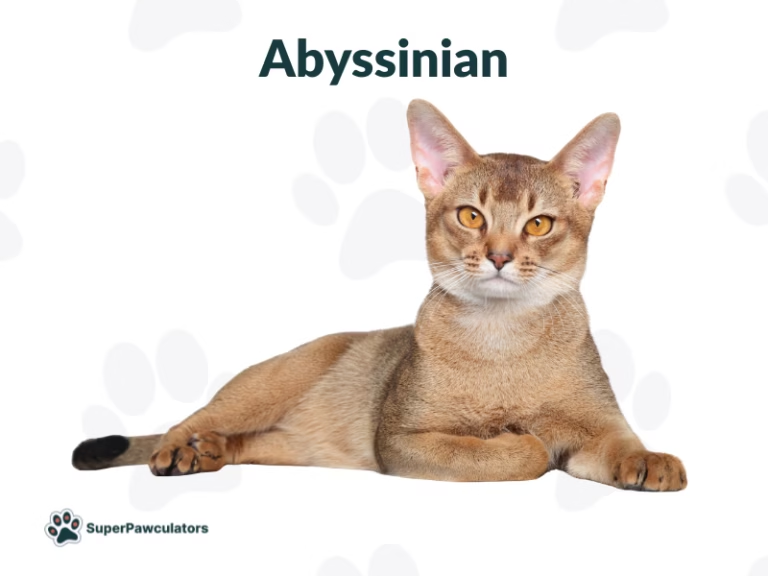
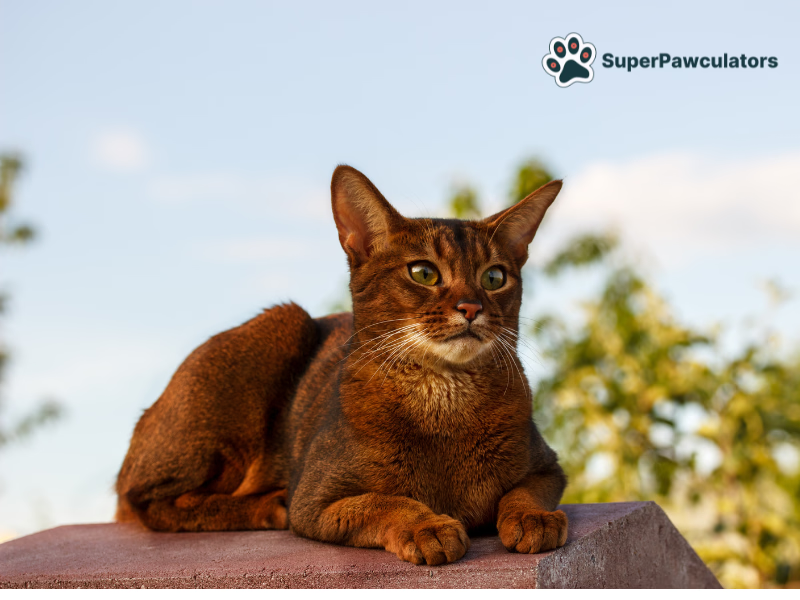
The Abyssinian cat, often affectionately known as the “Aby,” is a sleek, intelligent, and highly energetic breed that has earned a reputation as the “supermodel” of the feline world. These athletic cats are celebrated for their distinctive “wild” appearance, characterized by a shimmering ticked coat and alert, expressive features. One of the oldest known domesticated breeds, the Abyssinian is a popular choice for active families who desire a deeply engaged and interactive companion.
QUICK FACTS
| Attribute | Details |
|---|---|
| Origin | Southeast Asia and Indian Ocean coastal regions |
| Height | 8 to 10 inches (20–25 cm) |
| Weight | 6 to 12 pounds (2.7–5.4 kg) |
| Lifespan | 14 to 17+ years |
| Coat | Short, fine, dense with ticked agouti pattern |
| Activity Level | Extremely high; constantly in motion |
| Intelligence | Very high; among smartest domestic cat breeds |
| Price | $500–$2,800 (breeders); $100–$200 (adoption) |
| Best For | Active households, families with children, multi-pet homes, interactive owners |
HISTORY & ORIGIN
While early beliefs suggested the breed originated in Ethiopia (formerly Abyssinia), modern genetic research indicates their roots lie along the coastal regions of the Indian Ocean and parts of Southeast Asia, such as the Bay of Bengal. The breed’s name stems from the fact that the first cats exhibited in England were imports from Ethiopia following the Abyssinian War in the 1860s. A famous early example was a cat named “Zula,” who was exhibited at London’s Crystal Palace show in 1871 and won third place.
Another popular theory links the breed to ancient Egypt due to their striking resemblance to the arched necks and almond eyes depicted in ancient murals and sculptures. The breed was refined in Great Britain and officially recognized by the Governing Council of the Cat Fancy (GCCF) in 1929. Abyssinians arrived in the United States in the early 1900s and were among the first breeds registered by the Cat Fanciers’ Association (CFA) in 1906.
PHYSICAL CHARACTERISTICS
Body
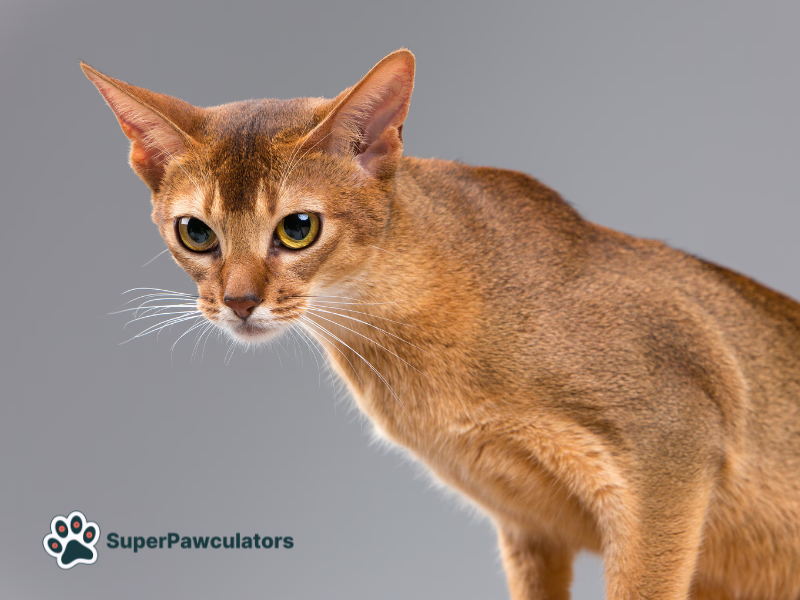
The Abyssinian is a medium-sized cat with a lithe, muscular, and graceful build. They possess a medium-long frame that strikes a balance between svelte and cobby types, often showing a slight arch to the back when seated.
Head
The head is a modified wedge shape with rounded contours. There is typically a slight rise from the bridge of the nose to the forehead, which should be broad and flow seamlessly into an arched neck.
Ears
Abys have large, alert, and moderately pointed ears that are broad and cupped at the base. They sit tilted forward as if “listening,” and ear tufts at the tips are considered a desirable feature.
Eyes
The eyes are large, expressive, and almond-shaped. They appear in rich shades of gold, green, or hazel and are typically accentuated by a fine dark “eyeliner” ring surrounded by a lighter area.
Legs & Paws
The legs are long, slender, and proportionately fine-boned. They have small, oval, compact paws that give the impression the cat is standing on its “tip-toes”.
Tail
The tail is thick at the base, fairly long, and tapers to a point at the end.
Coat
The trademark of the breed is its short, fine, and dense coat which lies close to the body. It has a silky, resilient texture that should snap back into place when rubbed.
Color
The breed’s defining feature is its “ticked” or agouti coat, where each individual hair contains multiple bands of color. The hair is usually lighter at the base and ends in a dark tip.
DETAILED COAT & COLORS
The CFA recognizes four primary colors:
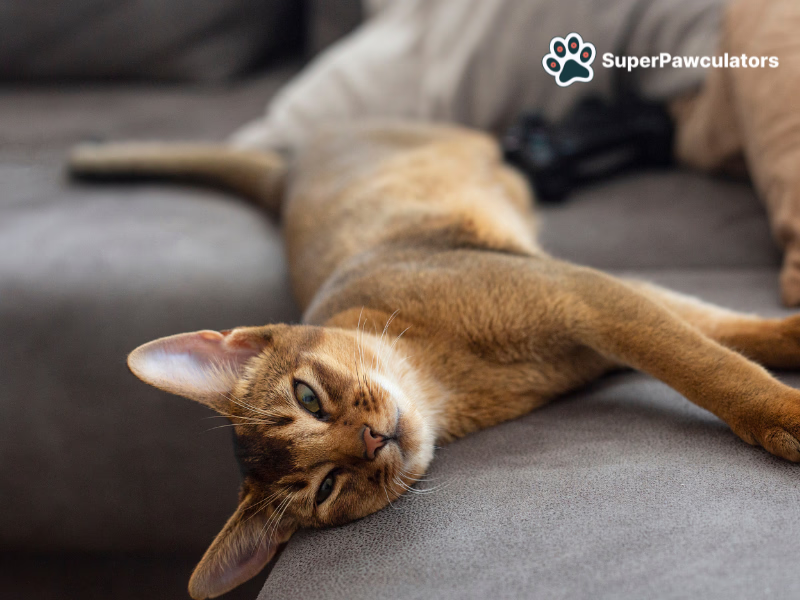
- Ruddy: A warm, burnt sienna brown with black ticking and an orange-brown undercoat.
- Cinnamon (Red/Sorrel): A rich copper-red with chocolate-brown ticking and a red-orange undercoat.
- Blue: Warm beige with slate blue ticking and a blush beige undercoat.
- Fawn: Warm rose-beige with light cocoa brown ticking and a blush beige undercoat.
Other international registries like TICA and the GCCF also accept chocolate, lilac, and various silver variants where the undercoat is an “icy white”.
PERSONALITY & TEMPERAMENT
Intelligence & Trainability
Abyssinians are “scary smart” and excel at problem-solving. They are highly trainable and can learn tricks, perform on agility courses, and are even capable of learning to walk on a leash and harness.
Activity Level & Energy
Known as the “Energizer Bunnies” of the cat world, Abys are in constant motion. They are exceptional jumpers that can leap six feet or more into the air, frequently seeking out the highest ground in a room, such as the tops of refrigerators or bookshelves.
Social Behavior
While not typically “lap cats,” they are incredibly affectionate and loyal companions who prefer to be near their humans rather than on them. They are often described as “dog-like” and will follow their owners from room to room to “supervise” and participate in every activity.
Behavioral Quirks
Abyssinians are sometimes called “preposition cats” because they are perpetually found “on, under, in, behind, or through” objects in their environment. They are also nicknamed “Aby-grabbys” for their tendency to snatch items that pique their interest.
Compatibility Assessment
These cats thrive in households where they receive plenty of attention and are well-suited for families with respectful children and other pets, including dogs. They do not like being left alone for long periods and may become bored or destructive without companionship and stimulation.
LIFESPAN & LONGEVITY
The average lifespan for an Abyssinian is 14 to 17+ years years. With high-quality care, a proper diet, and regular veterinary check-ups, many individuals have been known to live into their late teens or even their 20s.
CARE REQUIREMENTS
Nutrition
Abyssinians require a high-protein, meat-based diet to sustain their high metabolic rate and lean muscle mass. It is recommended to provide a mix of wet and dry food to ensure proper hydration and support dental health. Feeding measured portions 2-3 times a day is generally better than free-feeding to prevent obesity.
Grooming
The Abyssinian’s short coat is very low-maintenance. Weekly brushing with a soft-bristle brush or grooming glove is usually sufficient to remove loose hair and maintain a healthy shine.
Exercise & Enrichment
This breed needs significant daily physical and mental stimulation. Enrichment essentials include:
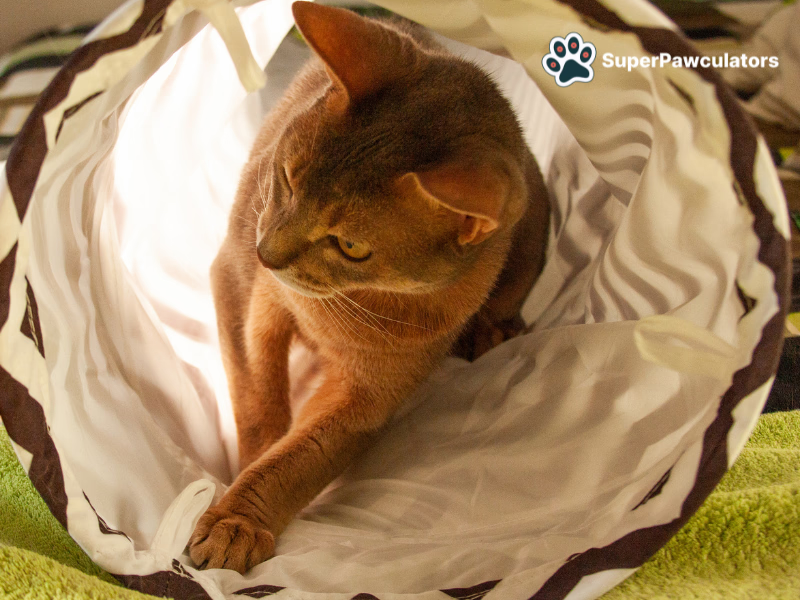
- Tall cat trees and climbing structures.
- Puzzle feeders to challenge their problem-solving skills.
- Daily interactive play sessions with wand toys or feather teasers.
Environmental Needs
Providing ample vertical space is non-negotiable for an Abyssinian’s well-being. They are best kept as indoor cats to protect them from traffic, predators, and disease. A secure outdoor enclosure like a “catio” can provide safe access to fresh air.
Socialization
Early socialization is vital to help them become well-adjusted, confident adults. Because they are so people-oriented, they benefit from a consistent routine and regular bonding time with their owners.
HEALTH CONSIDERATIONS
Common Genetic Conditions The breed is predisposed to several hereditary issues that can be managed through genetic testing:
- Renal Amyloidosis: A rare condition where abnormal proteins build up in the kidneys, potentially leading to renal failure.
- Pyruvate Kinase (PK) Deficiency: An inherited form of anemia caused by an enzyme deficiency in red blood cells.
- Progressive Retinal Atrophy (PRA): A genetic eye disease that causes the retina to degenerate, resulting in gradual blindness.
- Patellar Luxation: A condition where the kneecap slips out of its normal position.
Other Health Concerns Abyssinians are also prone to dental disease, including gingivitis and tooth resorption, making regular teeth brushing essential. Some may experience Hyperesthesia Syndrome (rolling skin disease) or stress-related Psychogenic Alopecia (excessive grooming).
COST BREAKDOWN
Initial Purchase
$500 – $2,800 for a kitten from a reputable breeder; lower costs may apply for retired breeding cats or adoption.
Ongoing Expenses
Owners must budget for routine vet visits, high-quality food, dental cleanings, and enrichment toys.
FAQs
Are Abyssinian cats hypoallergenic?
No. They produce the Fel d 1 protein which can trigger allergies, though regular grooming and cleaning may help minimize reactions.
Do Abyssinians like water?
Yes. Many Abyssinians are unusually fascinated by water and enjoy playing with faucets or joining their owners in the tub.
How vocal are Abyssinians?
They are generally quiet cats with soft, chirpy voices. They prefer communicating with gentle trills rather than loud meows.
Are Abyssinians good for first-time owners?
They can be, provided the owner is prepared for their high energy and demands for mental stimulation and interaction. They are not “set and forget” cats.